Introduction to load effect of oscilloscope probe

The presence of probes extends the application scope of oscilloscopes, enabling them to perform online testing and analysis of the electronic circuits under test.
The selection and use of probes must take into account that once the probe is connected to the circuit under test, it becomes a part of it. This is because probes have load effects, which can affect the fidelity of the measured signal and the test results.
Load effect of probe
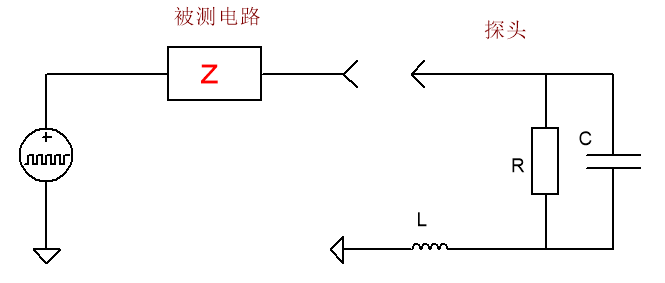
Figure 1 Load effect of probe
1. Resistive load effect
A resistive load is equivalent to a resistor connected in parallel to the circuit under test, which divides the voltage of the signal being measured and affects its amplitude and DC offset.
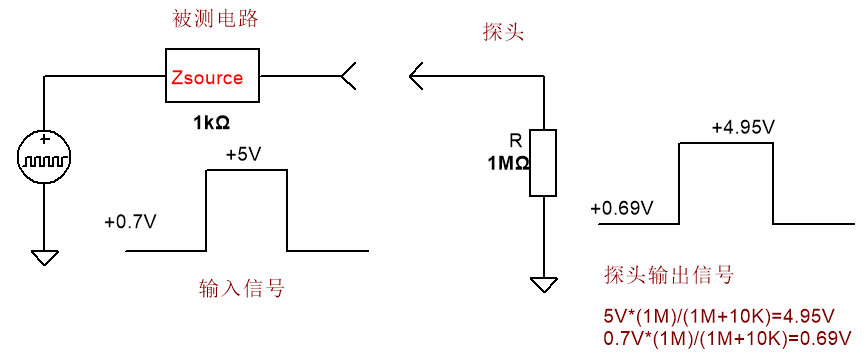
Figure 2 Resistive Load Effect
The above figure indicates that increasing the input load of the probe can reduce the load effect and improve measurement accuracy.
2. Capacitive load effect
Capacitive loading is equivalent to connecting a capacitor in parallel to the circuit under test, which has a filtering effect on the measured signal, affecting its rise and fall time, transmission delay, and the bandwidth of the transmission interconnection channel.
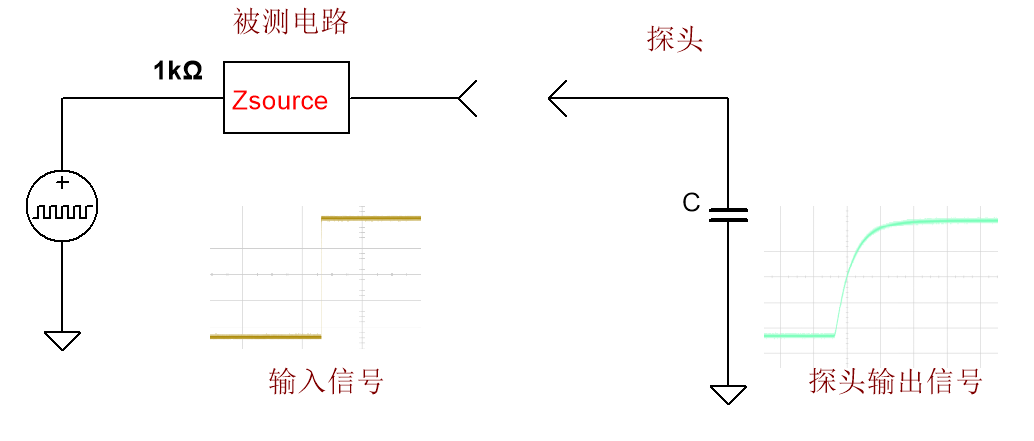
Figure 3 Capacitive Load Effect
3. Inductive load effect
The inductive load originates from the inductive effect of the probe's ground wire, which resonates with capacitive and resistive loads, causing ringing on the displayed signal.
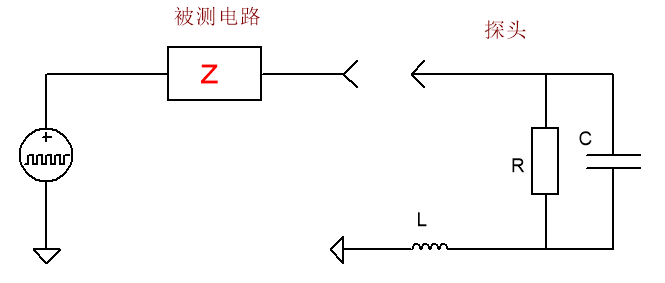
Figure 4 Perceptual Load Effect
To ensure reliable and accurate measurement results, the probe is required to have a high input load and a relatively low capacitive load. The optimal resistive and capacitive loads should be matched according to the required functionality.
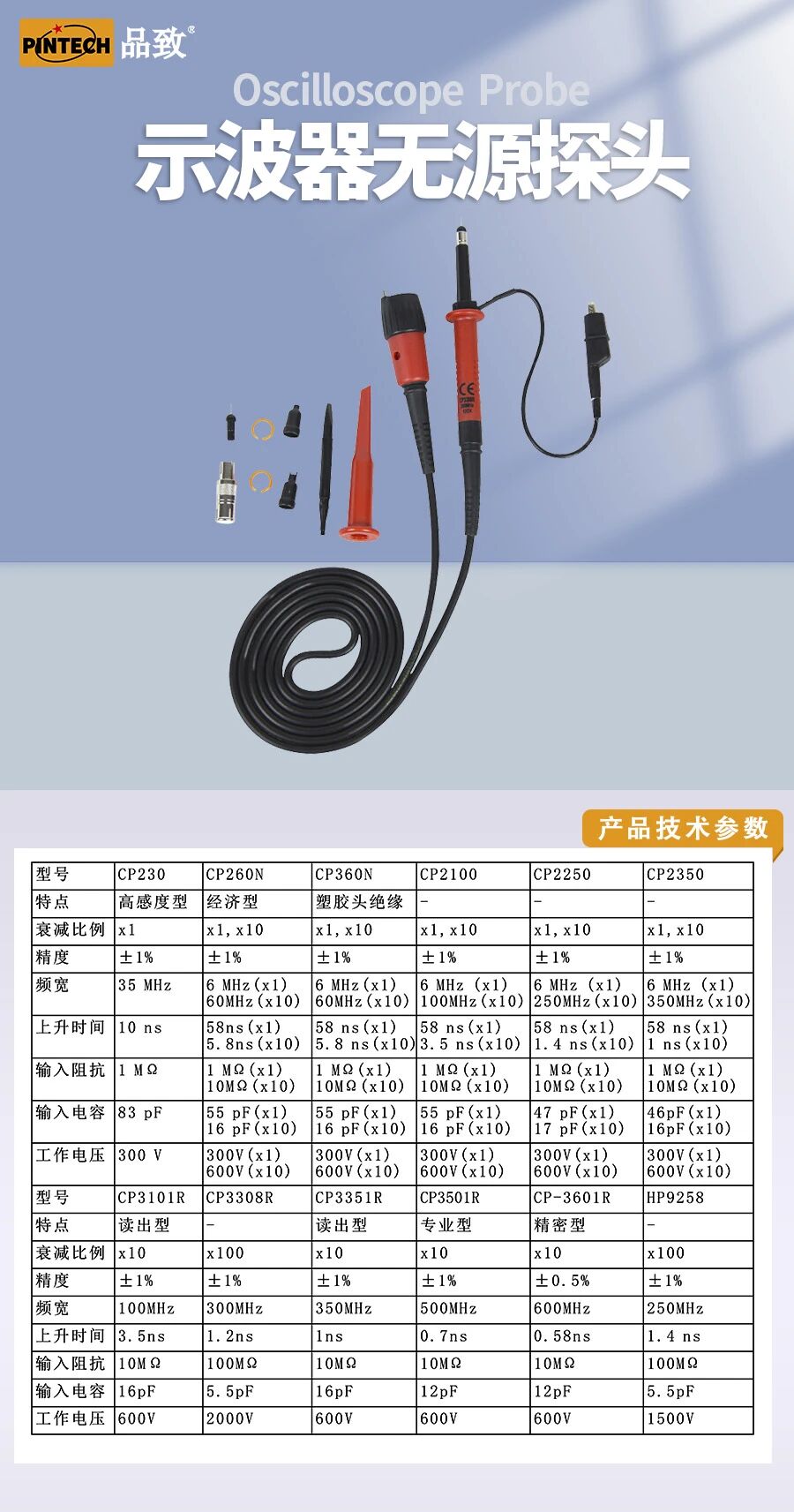
Oscilloscope probe types are mainly divided into active probes and passive probes, with the most commonly used being the high-impedance passive probe with compensation.
High-impedance passive probes with compensation feature a high input resistance (typically above 1MΩ), with adjustable compensation capacitors to match the input of oscilloscopes. They boast a wide dynamic range, enabling the testing of signals with significant amplitude (over tens of volts), and are relatively inexpensive. However, due to their excessively large input capacitance (typically above 10pf), their bandwidth is relatively low (typically within 500MHz).
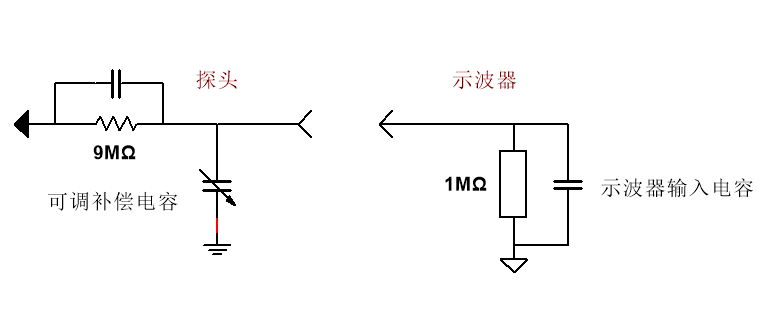
Figure 5 High-impedance passive probe with compensation